
Fall yard prep
A Fall Yard Prep Checklist for Cache Valley Homeowners
What to clean, cut, mow and schedule before winter settles into Cache Valley—and what can wait until spring.
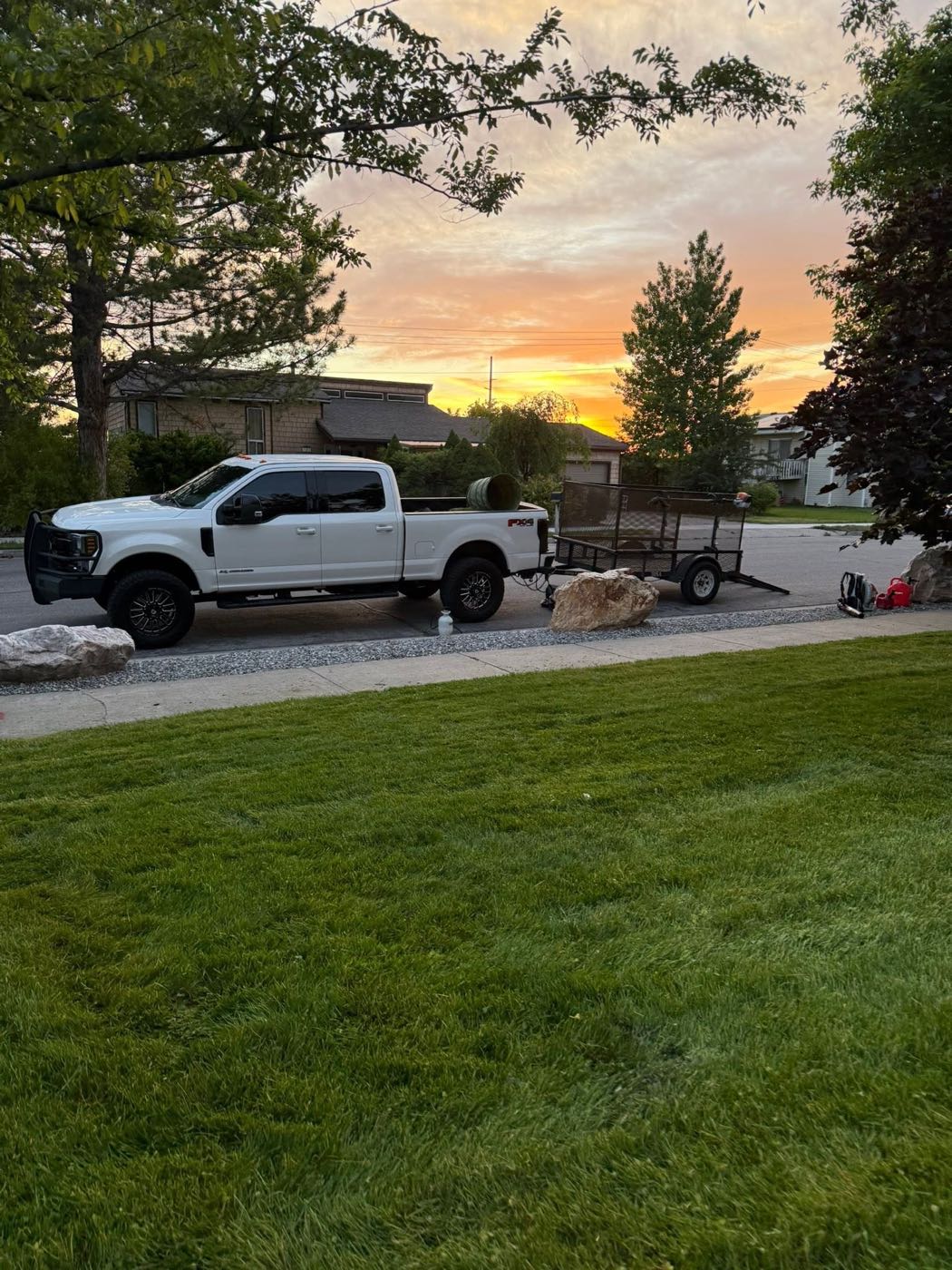
Short answer: Prepare a Cache Valley yard for winter by keeping heavy leaf mats off the lawn, clearing drainage paths and gutters, mowing while grass is still actively growing, cleaning beds and small debris, and scheduling aeration early enough for cool-season turf to recover.
1. Keep leaves from becoming a wet mat
Start with the areas where leaves create the most trouble: turf, steps, walkways, driveway edges, window wells and drainage paths. A light, dry layer on the lawn may be mulched into small pieces, but thick or wet coverage should be collected instead of left to compact over the grass.
Properties with mature trees may need more than one pass. An early cleanup keeps entrances and turf manageable; a final visit catches the remaining drop and resets the property before snow cover.
2. Mow while the lawn is still growing
Northern Utah lawns are commonly made up of cool-season grasses that remain active into fall. Continue mowing as needed until growth stops, removing no more than about one-third of the grass blade in a single cut. Avoid scalping the lawn simply because it is the last visit of the year.
A final mow works best when the turf is dry enough for a clean cut and the ground is firm. If weather turns wet or frozen, protecting the lawn matters more than forcing one more pass.
3. Decide whether aeration belongs in the plan
Core aeration is useful when soil is compacted, water runs off or high-traffic areas are thinning. For cool-season turf, late summer to early fall can provide an effective recovery window while grass is actively growing.
Aeration is not a universal requirement. Mark sprinkler heads and shallow obstacles, and schedule early enough that the lawn is still growing. Saturated, frozen or extremely dry ground is not a good target condition.
4. Clean beds without overdoing fall pruning
Remove windblown trash, broken annual growth, small branches and dense leaf buildup that traps moisture or blocks access. Keep a light natural leaf layer where it benefits an appropriate garden bed, but do not let heavy mats bury plants or spill onto walks.
Limit pruning to light, ground-reachable work that is appropriate for the plant and season. Major limbs, high-risk trees and work around utilities belong with qualified specialists.
5. Finish with gutters, hauling and a clear winter baseline
Clear accessible gutters and downspout entrances so fall rain and snowmelt have a path away. Gather the leaves, clippings and approved green waste, then decide whether material will be composted, bagged or hauled from the property.
Take a few final photos once the work is complete. They create a useful baseline for spring and make it easier to spot storm damage, new debris or problem areas after the snow is gone.
Common questions
Cache Valley yard-care FAQ
When should fall yard prep start in Cache Valley?
Begin planning before the heaviest leaf drop. Aeration and mowing depend on active turf growth, while final leaf cleanup depends on tree timing and weather. The property—not one calendar date—sets the final schedule.
Should I cut my lawn very short before winter?
No. Continue mowing while grass is growing and avoid removing more than about one-third of the blade at once. A severe final cut can stress the turf.
Is fall a good time to aerate in northern Utah?
It can be. Cool-season grass can recover well in early fall while it is actively growing. Compaction, moisture and timing should determine whether the service is useful for your lawn.
Do all leaves need to come out of garden beds?
Not always. A light layer can be appropriate in some beds, but dense mats should be removed when they bury plants, hold excessive moisture, block drainage or spill onto walking surfaces.
Can Leaf Relief combine fall cleanup tasks in one quote?
Yes. Leaf removal, lawn and bed cleanup, light trimming, gutter cleaning and green-waste hauling can be grouped into one property-specific scope.